
Heatsink
A heatsink is a metal part that absorbs and spreads extra heat away from hot electronic pieces.
What is a Heatsink?
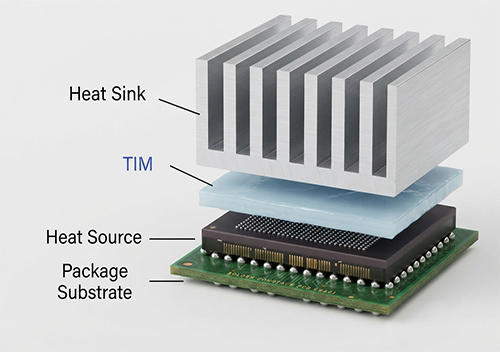
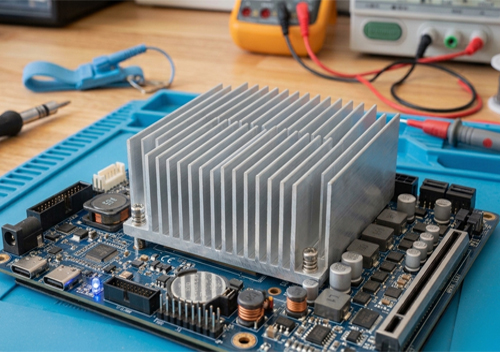
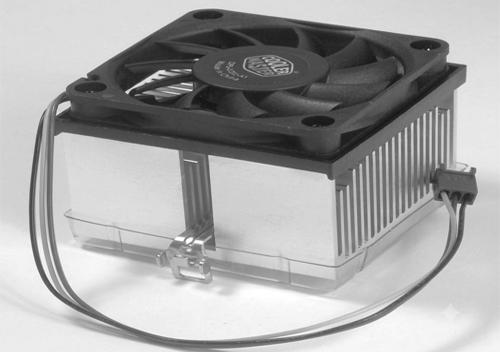
A heatsink is a metal part that absorbs and spreads extra heat away from hot electronic pieces like a computer processor. It uses tiny metal fins to grow its surface area. This lets air or liquid cool the part down fast so it does not break.
How It Works
- Conduction : Heat moves directly from the hot chip into the metal base of the heatsink.
- Spreading : The heat travels out across the metal fins, maximizing dissipation potential.
- Convection : Moving air or liquid carries the heat away into the environment surrounding the device.
Common Materials
Aluminum
Lightweight and cost-effective. The standard choice used for most everyday electronics and general consumer hardware.
Copper
Carries a higher cost and increased weight profile, but transfers heat significantly faster than aluminum for high-performance demands.
Types Of Heatsink
Aluminum Heatsink
Lightweight heatsinks designed to efficiently dissipate heat from electronic components.
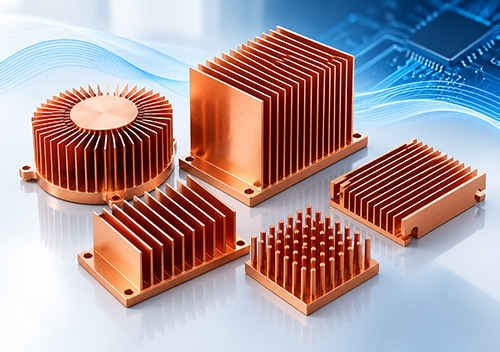
Copper Heatsink
High-performance heatsinks offering excellent thermal conductivity and rapid heat transfer.
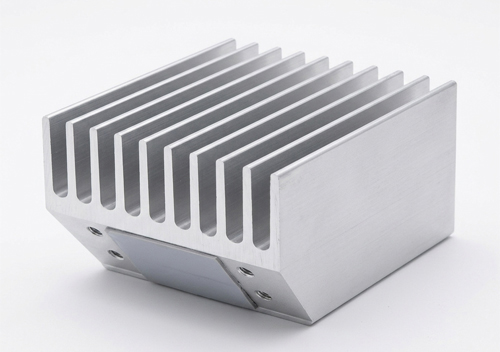
Standard Heatsink
Ready-to-use heatsink profiles designed for general electronic cooling requirements.
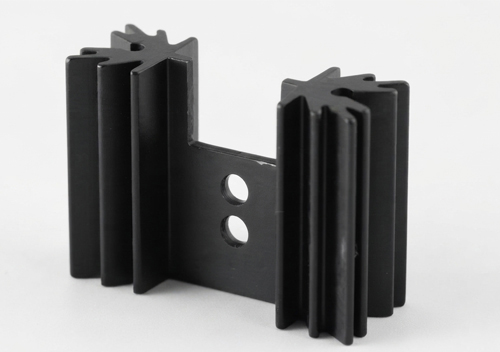
Anodized Heatsink
Aluminum heatsinks with a protective anodized surface finish.
Common Uses in Electronics
- Computers : Cools critical processing components including the CPU, GPU, RAM, and solid-state drives (SSDs).
- Lighting : Removes thermal energy efficiently from high-output LED chips and driver circuitry.
- Power Systems : Keeps power supplies, voltage regulators, and heavy-duty transistors running safely within thermal limits.
- Audio and Motors : Manages high heat loads in audio amplifiers and industrial motor controllers.
- Vehicles : Vital for cooling electric vehicle (EV) battery packs and advanced motor control units.